Steps for Picking the Right Fishing Gear for Freshwater vs. Saltwater
Deciding on the correct fishing gear for freshwater compared to saltwater is essential for a productive outing. Every environment offers distinct challenges and chances. Angling in freshwater typically demands lighter, delicate equipment, but saltwater fishing calls for stronger, corrosion-resistant gear. Grasping these distinctions can significantly improve the fishing experience. Which key factors ought anglers to consider when selecting their equipment? Examining the crucial elements might uncover more than a mere decision.
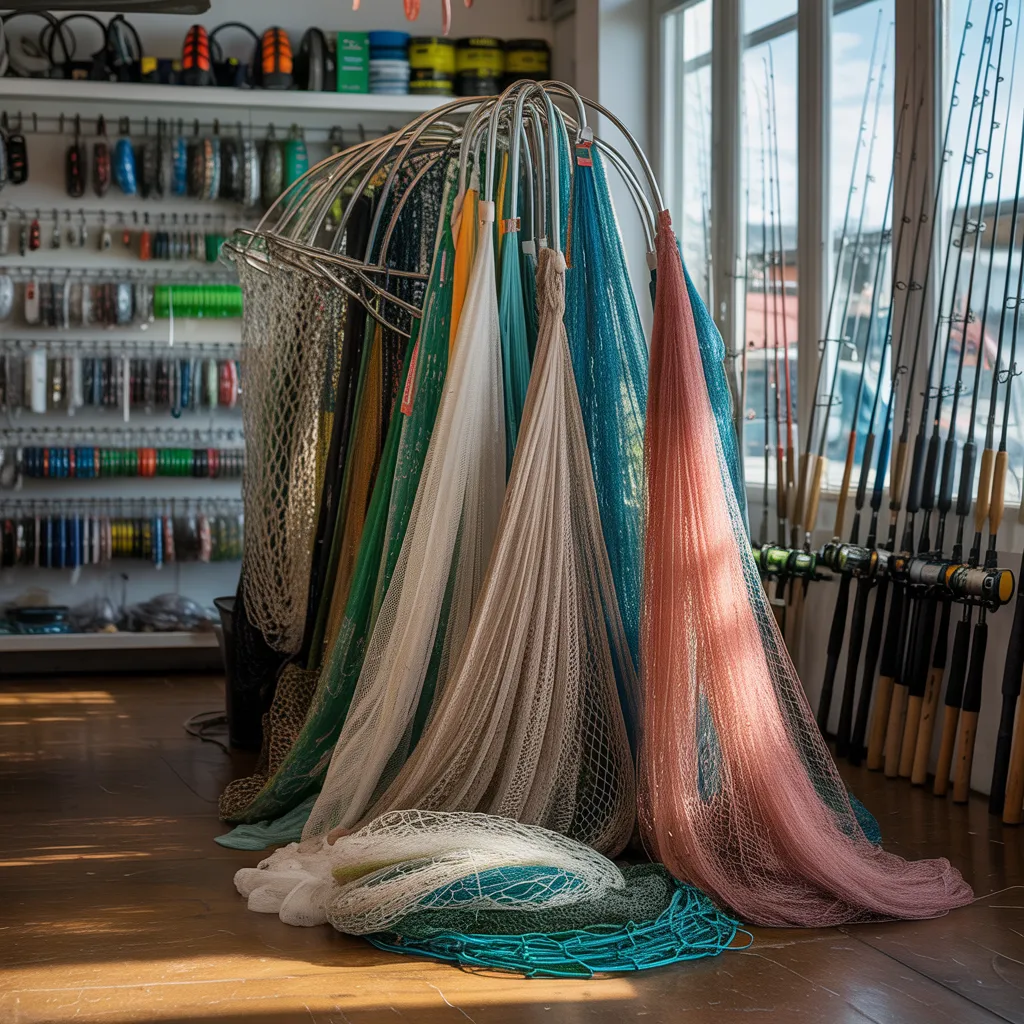
Understanding the Differences Between Freshwater and Saltwater Fishing
While both freshwater and saltwater fishing offer one-of-a-kind encounters, the fundamental differences between the two habitats significantly impact the selection of equipment. Angling in freshwater typically occurs in rivers, lakes, and streams, where the water is less dense and frequently has a lower salt content. This habitat sustains a diverse range of species, including bass, trout, and catfish, prompting anglers to select more flexible, lighter gear suited for throwing in confined spaces.
On the other hand, saltwater fishing occurs in oceans and seas, defined by higher salinity and more powerful currents. The larger fish species discovered in these waters, like tuna and marlin, require more robust and long-lasting equipment. The erosive nature of saltwater also necessitates the use of specialized materials to prevent deterioration. Knowing these distinctions is crucial for anglers to optimize their gear choices and enhance their fishing performance in either environment.
Important Fishing Rods for Freshwater and Saltwater
A fishing rod plays an essential role in achieving results on the water, and selecting the right type for freshwater discover the information or saltwater conditions is vital. Freshwater rods typically span between 5 to 7 feet and are designed to handle lighter lines and lures, making them ideal for species like bass and trout. They are often constructed from materials like graphite or fiberglass, offering sensitivity and flexibility.
In contrast, saltwater rods are generally longer and more durable, ranging from 7 to 12 feet, to endure the harsh marine environment and larger fish species, such as tuna and marlin. These rods include rust-proof components and stronger guides to handle heavier lines and lures. Anglers should also consider the action and power of the rod, as these factors affect casting distance and control. Ultimately, choosing the right rod type greatly improves the fishing experience in either freshwater or saltwater settings.
Finding the Ideal Reel: Spinning or Baitcasting?
When choosing a fishing reel, fishermen often compare the advantages of spinning reels against the benefits of baitcasting reels. Spin reels are recognized for their user-friendliness and adaptability, rendering them a preferred option for beginners. In comparison, baitcaster reels provide greater precision and command, attracting to more experienced fishermen looking for precision in their throws.
Spinning Reel Strengths
Many anglers value the versatility and ease of use that spinning reels provide, making them a preferred option for different fishing conditions. Their exposed construction enables quick line retrieval and smooth casting, which is especially advantageous for beginners. Spinning reels accommodate lighter lines and lures, making them ideal for delicate methods in both fresh and salt water environments. Furthermore, they are less prone to backlash compared to conventional reels, delivering a hassle-free experience. The drag systems in spinning reels are typically dependable, enabling effective control over fish during a battle. Overall, spinning reels constitute a sensible option for anglers looking for a equilibrium between effectiveness and ease of use, adjusting well to varied fishing scenarios.
Baitcasting Reel Advantages
For anglers seeking greater control and precision, baitcasting reels present clear benefits over spinning reels. These reels allow for improved casting precision, making them perfect for targeting precise locations, such as under dangling limbs or near submerged structures. The gear ratio in baitcasting reels often provides faster retrieves, boosting performance when reeling in larger fish. Additionally, they offer improved line management, reducing the chances of tangles and backlashes with practice. The ability to use thicker lines also makes baitcasting reels suitable for battling larger freshwater and saltwater species. Although they require a learning curve, skilled anglers often find that the advantages of baitcasting reels, including durability and versatility, surpass the initial challenges.
Selecting Bait and Artificial lures for Your Fishing Spot
Selecting the best bait and baits is important for successful fishing, as options vary considerably between freshwater and saltwater locations. Anglers need to consider the particular species they seek to catch and select bait that accurately mimics their natural food sources. Understanding the differences in bait options and techniques can improve the complete fishing experience.
Fresh Water Bait Options
Picking the most appropriate bait and lures will greatly influence a freshwater angler's success. Freshwater environments host a variety of species, each requiring particular bait options. Common choices include live bait like worms, minnows, and crickets, which attract species such as bass or trout. Artificial lures, including spinners, jigs, and soft plastics, are frequently used. The color and size of lures should match the water clarity and the selected fish species. In murky waters, more vibrant colors may be more visible, while natural hues are more suitable in clear water. Moreover, being familiar with the seasonal habits of fish helps guide anglers in choosing the most effective bait, boosting their chances of a successful catch.
Saltwater Angling Lure Techniques
Mastering the art of saltwater lure techniques is important for any fisherman seeking to optimize their success on the ocean. Choosing the correct lures involves considering factors such as water clarity, current strength, and local forage. Brightly colored lures may stand out in murky waters, whereas more natural hues tend to be efficient in clear conditions. The kind of lure—spinnerbaits, jigs, or soft plastics—should fit the fish species and their feeding routines. In addition, varying retrieval speeds and techniques can simulate prey movement, increasing effectiveness. Anglers should also take into account the depth at which fish are holding; selecting lures that can be fished at multiple depths raises the likelihood of a successful catch. Proper technique and flexibility are key components in saltwater lure selection.
Aligning Bait Choice Based on Species
In saltwater, types of fish such as tarpon and snook tend to respond well to live bait like mullet or shrimp. Identifying the local ecosystem can aid in improving bait choices; understanding what prey is common in the area will lead to more effective fishing. Additionally, seasonal changes influence fish behavior and feeding patterns, demanding changes in bait selection. Ultimately, choosing the best bait tailored to specific species increases the chances of a successful catch.
Necessary Gear and Supplies for Fresh Water versus Saltwater Fishing
A range of equipment and gear are essential for productive angling, whether in freshwater or saltwater environments. Freshwater fishing usually requires lighter equipment, such as spinning reels, baitcasting rods, and hooks designed for species like bass and trout. Anglers frequently use artificial lures, jigs, and live bait, complemented by gear such as tackle storage, pliers, and fishing line suited for freshwater conditions.
In contrast, saltwater angling equipment must endure more severe elements. Saltwater rods and reels are typically heavier and corrosion-resistant, engineered for bigger fish like tarpon and marlin. Terminal equipment such as stronger hooks, sinkers, and swivels are critical. Additionally, saltwater fishermen may gain advantage from advanced gear like gaffs, nets, and fish finders. Knowing the specific requirements of each environment guarantees that anglers are properly outfitted for a productive fishing experience.
Aligning Your Gear with Local Angling Regulations and Situations
Fishing equipment must comply with local rules and ecological factors to verify compliance and boost success on the water. Each region has specific guidelines concerning species, size limits, and gear types, which can markedly shape a fishing outing. Anglers should get to know these regulations to avoid fines and ensure sustainable practices.
Moreover, regional ecological factors, including water temperature, clarity, and habitat, dictate the effectiveness of certain gear. For instance, specific lures or bait may perform better in freshwater streams compared to saltwater estuaries.
In addition, understanding the local fish varieties and their tendencies can shape equipment choices, ascertaining that the correct tackle is implemented for the targeted fish. By aligning equipment to both requirements and circumstances, anglers not only observe legal obligations but also optimize their chances for a successful fishing outing.
Important Advice for Properly Maintaining Your Fishing Gear for Prolonged Life and Reliable Function
Maintaining fishing gear is crucial for guaranteeing longevity and optimal function on every outing. Regular cleaning is vital; freshwater gear should be rinsed with clean water after each use, while saltwater gear demands a comprehensive rinse to remove damaging salt deposits. Inspecting rods and reels for wear, such as cracks or rust, helps identify potential issues early. Oiling moving parts guarantees smooth operation and prevents rusting, while checking line for abrasions or knots can enhance casting accuracy.
Storing equipment properly is equally important; rods should be kept upright and reels should be stored in a temperature-controlled, dry place. Using safeguarding covers can protect equipment from damage during transport. Additionally, seasonal maintenance checks can help identify necessary repairs before the fishing season begins. By following these tips, anglers can maximize the durability and performance of their fishing gear, making each trip more pleasant and successful.
Frequently Asked Questions
How Do You Select the Best Fishing Knots for Various Water Types?
Superior fishing knots are determined by water type; in freshwater, the Palomar and Improved Clinch knots are excellent, while the Uni and Double Uni knots are suggested for saltwater, delivering dependable connections under different conditions.
How Does Climate Impact Fishing Gear Choice?
The selection of fishing gear is greatly influenced by weather; for example, adverse conditions might require stronger rods and reels, while heat may call for more lightweight lines and lures, ensuring ideal performance and adaptability to changing environments.
What Garments Are Recommended for Freshwater versus Saltwater Fishing?
For freshwater angling, lightweight, moisture-wicking clothing is perfect, while saltwater angling requires UV-resistant, fast-drying materials. Waterproof outer layers protect against splashes, and sturdy footwear is crucial for both environments to guarantee safety and comfort.
Do Particular Angling Permits Need to Be Acquired for Each Water Type?
Different fishing licenses are necessary for freshwater and saltwater fishing, differing by location. Anglers must check local regulations to verify compliance, as licenses often differ regarding cost, duration, and catch restrictions.
How Periodically Should I Refresh My Fishing Gear?
Anglers need to refresh their fishing gear every one to three years, according to how frequently it's used and its state. Periodic checks for deterioration or damage can assist in identifying when it's necessary for an replacement to sustain peak performance.
Comments on “Professional Fishing Supply Stores for Rods & Reels”